Wine Bianco Dario Prinčič 0,75 l
Coming Soon
27.15 €
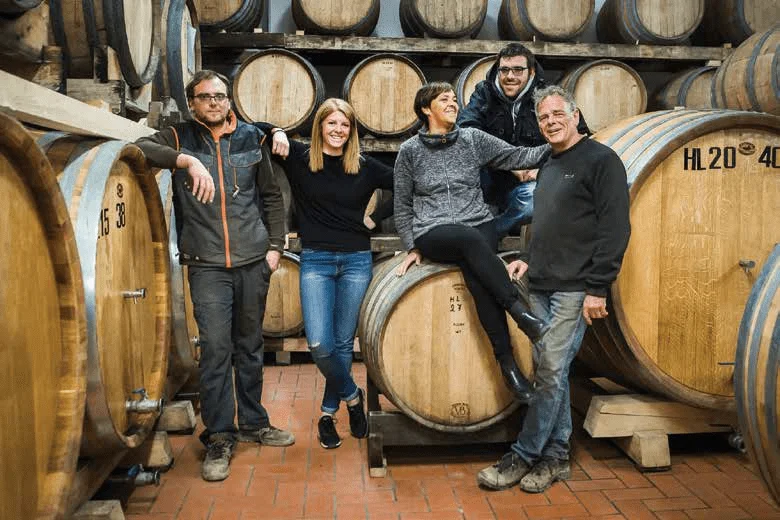
Their first wine was produced in 1993, when they built the cellar and the house. Before that, they sold their grapes to local wine cellars. As of 1988 they stopped using systemic and chemical fertilizers, and they had never used herbicides at all. Their first wines were made in the classic way, without maceration. Dario gained his first experience with macerated wines in 1995, from Joško Gravner and, above all, from the sadly late Stanko Radikon. Starting with the 1999 vintage, he too began producing wines with extended contact between the grape skins and the must. At first the steps were slower and more cautious, and the macerations correspondingly shorter. Once they felt brave enough — some might say too brave — things occasionally went a little over the edge. Looking back today, it was all a fine schooling that let them discover for themselves just how far they could go. So today they macerate Pinot Gris for 8–10 days, Sauvignonasse for 20–22 days, Ribolla for 35 days, and Chardonnay and Sauvignon for 18 days. In the cellar they use only sulfur, which is added at bottling. The total sulfur content in the bottle is just 14–15 mg. The wine is not filtered at bottling. Dario is convinced that filtration would strip away everything the wine had gained through extended maceration. It would take away the wine's soul, removing all the added value leached from the grape skins. It probably goes without saying that they use only their own natural yeasts, brought in by the grapes from the vineyard, for alcoholic fermentation. Nor do they use a yeast starter made from previously harvested grapes. They never have problems getting fermentation started — it always proceeds smoothly by natural means, a reflection of healthy, natural grapes and their microflora. They currently work 10 hectares of vineyards, with 70,000 vines, from which they produce around 35,000 bottles of wine per year. Most of the vines face east. This lets them enjoy the first rising sun, while also feeling the cool freshness that follows — something clearly noticeable in the wines themselves. The wine is therefore never "cooked," but rather every sip carries freshness and juiciness. The yield is extremely low, up to one kilogram per vine.