346.94 €

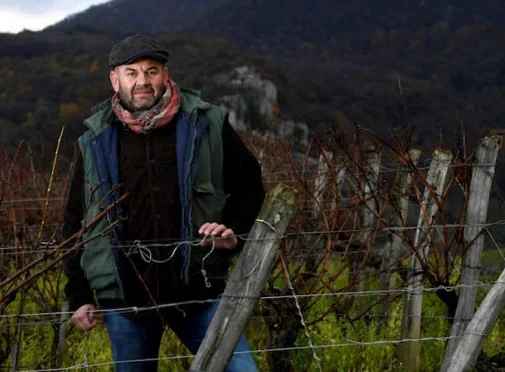
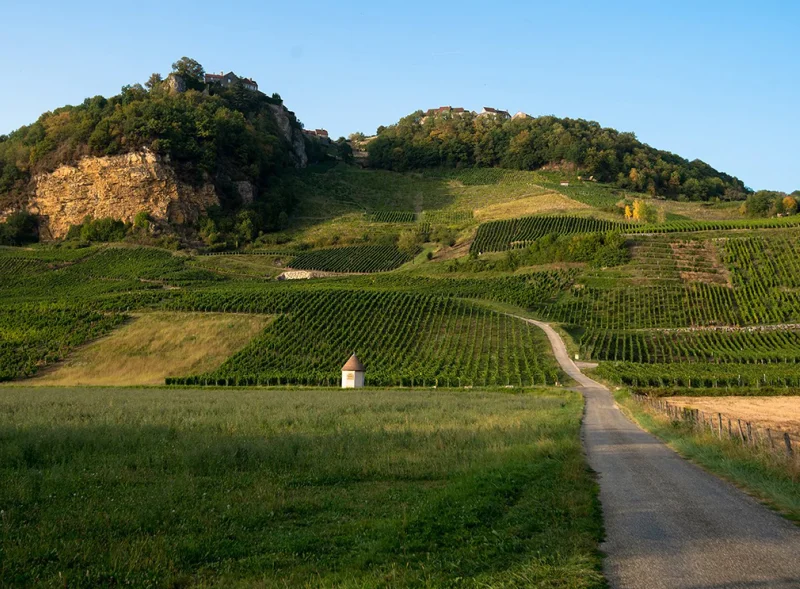
The Ganevat family has its roots in the Jura. Until 1976 they raised cows and grew vines; since then all attention has been devoted to the vineyard and the cellar. Jean-François, who built the domaine's reputation, began working alongside his father, then went to wine school, followed by a stint with Domaine Marc Morey in Burgundy. Nine years after leaving, he returned to the family estate in 1998 and has run it ever since. He has grown the vineyard holdings to 13 hectares, farmed biodynamically. The largest plot is Les Chalasses (4 ha), followed by Les Grands Teppes (2 ha) and Grusse en Billat (1.8 ha). But besides relying on the domaine's own vineyards, he also produces a range of négociant bottlings, labelled Vin de France, which typically blend wines from different regions.
Winemaking here is fairly natural, and since 2006 no sulphur dioxide has been used in vinification — only small additions of Florine and Les Billats at bottling. The whites spend a long time on the lees and age for extended periods in barrel and amphora. Typically, more than 30 cuvées are released each vintage.
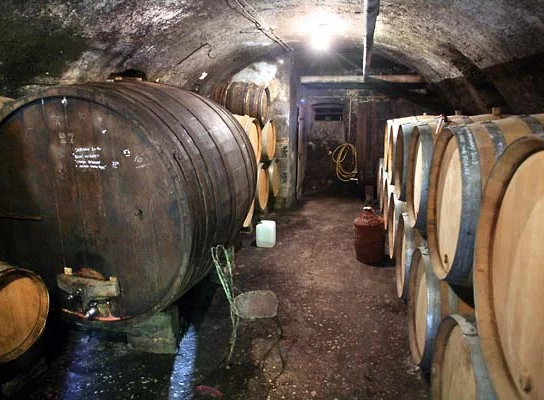
Because Ganevat regards his viticulture as by far the most important aspect of his work, he keeps his vinification and ageing simple, though with no less attention to detail. His fermentations are long, using indigenous yeasts in old demi-muids. For his Chardonnay and estate Savagnin whites, he ages the wine for two years or more in the same barrels, with little or no added sulphur. As for the reds, from Pinot Noir and the indigenous Trousseau and Poulsard, Jean-François completely destems the fruit, then ferments whole berries à l’ancienne — using carbonic maceration as in Beaujolais — followed by ageing in neutral barrels. And unlike many others in the Jura, he keeps the barrels for most of his white cuvées carefully topped up to avoid oxidation, believing this gives the purest expression of his many terroirs.
Beyond his own vines
Because of the drastically reduced yields of recent vintages, Jean-François now sources additional fruit from other growers with fine terroirs. And the results remind us that great winemakers – who are also superb judges of terroir – can craft a stunning wine regardless of who owns the vineyard.
Bruno Giacosa did just that throughout his legendary career, particularly in the 1960s and 1970s, when every wine he made came from bought fruit.
The Conternos did the same before 1978, when every Monfortino was made from someone else's grapes. And throughout the history of champagne, the great prestige cuvées have almost without exception been made from a marriage of bought and estate-grown grapes.
Ganevat joined this noble, time-honored tradition, further enriching Jura's unrivaled portfolio.
Gallery